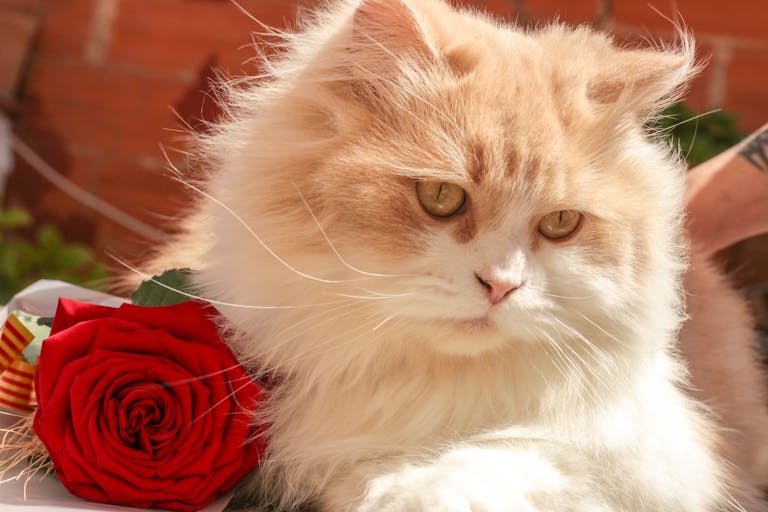
Exotic Shorthair Cat Breed Grooming and Care
Exotic Shorthair Cat Breed Grooming and Care: A Comprehensive Guide
Caring for your Exotic Shorthair involves regular, gentle grooming and attentive health practices. Their unique flat faces require daily eye cleaning to prevent tear stains, while their dense, plush coats benefit from weekly brushing to manage shedding and prevent mats. Consistent care, including proper nutrition, regular vet check-ups, and a clean environment, ensures your Exotic Shorthair remains happy, healthy, and comfortable.
Do you own an adorable Exotic Shorthair cat, or are you thinking of welcoming one into your home? These charming felines, often called “the lazy man’s Persian,” are known for their sweet dispositions and distinctive flat faces. While their short coats might suggest low maintenance, Exotic Shorthairs have specific grooming and care needs that, if overlooked, can lead to health issues or discomfort. It’s common for new owners to feel a bit overwhelmed by their unique requirements, especially concerning their eyes and dense fur. But don’t worry, you’re in the right place! This guide will walk you through every essential step, providing clear, practical advice to ensure your furry friend thrives. Let’s explore how to keep your Exotic Shorthair looking and feeling their best, with real-world tips and insights.
Understanding Your Exotic Shorthair’s Unique Needs
The Exotic Shorthair is a truly special breed, combining the calm temperament of a Persian with a more manageable short coat. However, their defining feature – the brachycephalic, or “flat,” face – comes with specific care considerations. Their large, round eyes are prone to tearing, and their dense, plush fur, while short, still requires regular attention to prevent matting and manage shedding. Understanding these unique characteristics is the first step toward providing optimal care.
Their docile and affectionate nature makes them wonderful companions, but their physical traits demand a proactive approach to grooming and health. Ignoring these needs can lead to uncomfortable tear stains, skin irritations, respiratory issues, or even dental problems. A consistent routine is key to their well-being and happiness.
Essential Grooming for Your Exotic Shorthair
Grooming an Exotic Shorthair is not just about aesthetics; it’s a vital part of their health routine. While their coat is shorter than a Persian’s, it’s incredibly dense and requires regular attention. Their unique facial structure also means special care for their eyes and nose.
Daily Eye and Face Cleaning
This is arguably the most critical daily grooming task for an Exotic Shorthair. Their flattened facial structure often leads to excessive tearing and discharge, which can accumulate in the folds of their skin and around their eyes. If left uncleaned, this discharge can cause:
- Unsightly brown or reddish tear stains.
- Skin irritation and infection (dermatitis) in the facial folds.
- Discomfort and potential vision obstruction.
How to do it:
- Gather your supplies: You’ll need soft, lint-free cloths or cotton pads and a veterinarian-approved eye cleaner specifically designed for cats, or simply warm water. Avoid harsh chemicals or human wipes.
- Be gentle: Hold your cat securely but gently. Dip the cloth or cotton pad in the cleaning solution or warm water.
- Wipe away discharge: Carefully wipe around the eyes, starting from the inner corner and moving outwards. Use a fresh part of the cloth for each eye to prevent spreading any potential infection. Pay special attention to the deep folds around their nose and mouth, as moisture can get trapped there.
- Dry thoroughly: After cleaning, gently pat the area dry with a clean, soft cloth. Moisture left in skin folds can lead to yeast or bacterial infections.
Making this a positive experience with treats and praise will make it easier over time.
Weekly Brushing
Despite their short fur, Exotic Shorthairs have a very dense double coat that sheds quite a bit, especially seasonally. Regular brushing helps to:
- Remove loose hair, reducing shedding around your home.
- Prevent mats and tangles, which can be painful and lead to skin problems.
- Distribute natural skin oils, promoting a healthy, shiny coat.
- Provide a bonding opportunity between you and your cat.
Tools you’ll need:
- Slicker brush: Excellent for removing loose undercoat.
- Metal comb: Good for checking for tangles and smoothing the coat.
- Rubber curry brush or grooming glove: Gentle for daily maintenance and massaging the skin.
How to do it:
- Start with a slicker brush, gently brushing in the direction of hair growth. Pay attention to areas where mats are common, like behind the ears, under the legs, and around the tail.
- Follow up with a metal comb to ensure no tangles were missed.
- Finish with a rubber brush or grooming glove for a final polish and to stimulate circulation.
Occasional Bathing
While cats are self-cleaning, Exotic Shorthairs often benefit from occasional baths, especially if they have oily skin, excessive tear staining, or if they’ve gotten into something messy. Aim for a bath every 4-6 weeks, or as needed. Over-bathing can dry out their skin.
Tips for bathing:
- Use a cat-specific shampoo that is gentle and tearless.
- Ensure the water is lukewarm, not hot or cold.
- Place a non-slip mat in the tub or sink.
- Wet your cat thoroughly, apply shampoo, and rinse completely. Residue can irritate skin.
- Dry your cat thoroughly with towels. A pet-specific low-heat blow dryer can be used if your cat tolerates it, but ensure it’s on a cool setting to avoid overheating.
Nail Trimming
Regular nail trims (every 2-4 weeks) are essential for all cats, including Exotic Shorthairs. It prevents nails from becoming too long, which can cause discomfort, get snagged, or even grow into their paw pads. It also protects your furniture!
How to do it:
- Use sharp, cat-specific nail clippers.
- Gently press on your cat’s paw pad to extend the claw.
- Only snip the very tip of the nail, avoiding the pink “quick” (the blood vessel), which is visible in lighter-colored claws. If you cut the quick, it will bleed and be painful.
- If you’re unsure, ask your vet or a professional groomer to show you how.
Ear Cleaning
Check your Exotic Shorthair’s ears weekly for redness, odor, or excessive wax buildup, which can indicate an ear infection. Healthy ears should be clean and pale pink.
How to do it:
- Use a veterinarian-approved ear cleaner for cats.
- Apply a few drops of cleaner into the ear canal.
- Gently massage the base of the ear for 30 seconds.
- Allow your cat to shake their head, then wipe away any dislodged wax or debris with a cotton ball or soft cloth. Never use cotton swabs deep inside the ear canal.
Diet and Nutrition: Fueling Your Exotic Shorthair’s Health
Proper nutrition is fundamental to your Exotic Shorthair’s overall health, coat quality, and energy levels. Due to their brachycephalic nature, some Exotic Shorthairs may find it challenging to pick up certain kibble shapes, making bowl choice and food type important.
Choosing the Right Food
- High-quality protein: Look for cat foods with real meat (chicken, turkey, salmon) as the first ingredient.
- Balanced nutrients: Ensure the food is complete and balanced for your cat’s life stage (kitten, adult, senior) and activity level. Look for an AAFCO statement on the packaging.
- Kibble shape: Some Exotic Shorthairs benefit from flatter or larger kibble shapes that are easier for them to scoop up with their tongue, given their flat faces. Experiment to see what works best for your cat.
- Wet vs. Dry: A mix of wet and dry food can be beneficial. Wet food provides excellent hydration, which is crucial for urinary tract health. Dry food can help with dental hygiene, though it’s not a substitute for brushing.
Feeding Schedule and Portions
Overfeeding is a common problem leading to obesity, which can exacerbate existing health issues and create new ones. Follow the feeding guidelines on your chosen cat food, adjusting based on your cat’s activity level, age, and body condition. Consult your vet for personalized advice.
- Most adult cats do well with two meals a day.
- Free-feeding (leaving food out all day) is generally not recommended unless your cat self-regulates well.
Hydration
Always provide fresh, clean water. Cats can be finicky drinkers. Consider:
- Multiple water bowls placed around the house.
- Ceramic or stainless steel bowls, as some cats dislike plastic.
- A pet water fountain, which keeps water circulating and often encourages more drinking.
Health and Wellness: Proactive Care
Exotic Shorthairs are generally healthy cats, but like all breeds, they are prone to certain genetic conditions and common feline ailments. Regular veterinary care is paramount.
Common Health Concerns for Exotic Shorthairs
Due to their unique facial structure, Exotic Shorthairs can be predisposed to:
- Brachycephalic Airway Syndrome (BAS): This can cause breathing difficulties due to narrowed nostrils, elongated soft palate, or collapsed trachea. Symptoms include noisy breathing, snoring, and exercise intolerance.
- Polycystic Kidney Disease (PKD): A genetic condition where cysts form in the kidneys, potentially leading to kidney failure. Responsible breeders screen for this.
- Hypertrophic Cardiomyopathy (HCM): A common heart disease in cats where the heart muscle thickens.
- Eye issues: Beyond tear staining, they can experience entropion (eyelids rolling inward), cherry eye, or excessive epiphora (tearing).
- Dental problems: Crowding of teeth due to their flattened jaw can lead to periodontal disease.
Regular Veterinary Check-ups
Annual vet visits are crucial for early detection and prevention of diseases. During these check-ups, your vet will:
- Perform a thorough physical examination.
- Administer necessary vaccinations (e.g., rabies, FVRCP).
- Discuss parasite prevention (fleas, ticks, worms).
- Address any behavioral or health concerns you may have.
For more information on vaccinations for your pets, you might find this resource helpful: Dog Vaccines & Boosters: How Often Does Your Dog Need Shots?
Preventative Care Schedule
Here’s a general guide for preventative care, but always follow your veterinarian’s specific recommendations:
| Care Item | Frequency | Notes |
|---|---|---|
| Veterinary Check-up | Annually (more for kittens/seniors) | Includes physical exam, vaccinations, and parasite prevention. |
| Vaccinations | As per vet schedule | Core vaccines (Rabies, FVRCP) are essential. Non-core as needed. |
| Parasite Prevention | Monthly/Quarterly/Annually | Fleas, ticks, heartworm, intestinal worms. Discuss options with vet. |
| Dental Check | Annually with vet; daily home care | Brushing teeth daily is ideal. Professional cleaning as recommended. |
| Blood Work/Urinalysis | Annually for seniors, or as recommended | Helps detect underlying issues early. |
Exercise and Play: Keeping Them Active
Exotic Shorthairs are generally less energetic than some other breeds, preferring naps to high-octane adventures. However, they still need daily play to stay physically and mentally stimulated, prevent obesity, and strengthen your bond.
Recommended Playtime
- Aim for 15-30 minutes of interactive play per day, broken into shorter sessions (e.g., 5-10 minutes, 2-3 times a day).
- Engage them with toys that mimic prey, like feather wands, laser pointers (always end with a physical toy they can “catch”), and crinkle balls.
- Puzzle feeders can provide mental stimulation and slow down eating.
Creating an Enriching Environment
- Scratching posts: Provide sturdy scratching posts or boards to satisfy their natural urge to scratch and maintain nail health.
- Vertical space: Cats love to climb and observe from high places. Cat trees, shelves, or window perches can be great additions.
- Safe spaces: Ensure your Exotic Shorthair has quiet, secure spots where they can retreat and feel safe.
Litter Box Habits: Cleanliness is Key
A clean litter box is crucial for your cat’s hygiene and overall well-being. Cats are fastidiously clean animals, and a dirty litter box can lead to behavioral issues like urinating outside the box.
Litter Box Best Practices
- Number of boxes: The general rule is one litter box per cat, plus one extra. So, if you have one Exotic Shorthair, you should have at least two litter boxes.
- Location: Place litter boxes in quiet, easily accessible locations away from their food and water bowls.
- Type of litter: Most cats prefer unscented, clumping clay litter. Experiment to see what your cat prefers.
- Scooping frequency: Scoop the litter box at least once, preferably twice, daily.
- Full change: Completely empty, wash, and refill the litter box with fresh litter at least once a week, or more often if using non-clumping litter.
Environmental Enrichment: More Than Just Toys
Environmental enrichment goes beyond just toys; it’s about creating a stimulating and safe environment that caters to your cat’s natural instincts and needs. This is particularly important for indoor-only cats like most Exotic Shorthairs.
- Observation points: Cats love to watch the world go by. Provide window perches or cat trees near windows.
- Safe hiding spots: Cats need places to retreat when they feel overwhelmed or just want to nap undisturbed. Boxes, cat caves, or covered beds are perfect.
- Interactive toys: Rotate toys regularly to keep things interesting. Puzzle toys that dispense treats can provide hours of mental stimulation.
- Safe outdoor access (if applicable): If you plan for your Exotic Shorthair to have outdoor access, consider a secure “catio” or supervised leash walks to prevent escape, injury, or exposure to diseases.
Socialization and Temperament: The Gentle Giants
Exotic Shorthairs are renowned for their calm, sweet, and affectionate personalities. They are often described as lap cats who enjoy quiet companionship rather than boisterous play. This makes them excellent pets for families, seniors, and those living in apartments.
- Gentle handling: Always handle your Exotic Shorthair gently. They appreciate calm interactions.
- Early socialization: If you get a kitten, expose them to various sights, sounds, and gentle interactions with people and other pets (if safe) from a young age to ensure they grow into well-adjusted adults.
- Patience: While generally laid-back, every cat has its own personality. Be patient and allow your Exotic Shorthair to adjust to new situations at their own pace.
- Bonding: Spend quality time with your cat through gentle petting, grooming, and interactive play. This strengthens your bond and helps them feel secure.
Seasonal Care Adjustments
Caring for your Exotic Shorthair may require slight adjustments depending on the season.
Summer Care
- Heat sensitivity: Due to their brachycephalic nature, Exotic Shorthairs are more susceptible to overheating. Keep them in cool, air-conditioned environments.
- Hydration: Ensure constant access to fresh water. Consider adding ice cubes to their water bowl or offering wet food to boost hydration.
- Grooming: Increased shedding may occur, so brush more frequently to help them stay cool.
Winter Care
- Warmth: Ensure your cat has warm, comfortable sleeping spots away from drafts.
- Humidity: Dry indoor air can affect their skin and respiratory system. A humidifier might be beneficial.
- Reduced activity: They might be less active in winter, so adjust food portions to prevent weight gain.
Common Mistakes to Avoid in Exotic Shorthair Care
Even with the best intentions, owners can sometimes make mistakes that impact their Exotic Shorthair’s health and happiness. Being aware of these can help you provide better care.
- Neglecting daily eye cleaning: This is the most common oversight. Skipping even a day can lead to significant tear staining and potential skin issues.
- Underestimating grooming needs: While short-haired, their dense coat still requires regular brushing to prevent matting and manage shedding.
- Ignoring dental hygiene: Dental disease is prevalent in cats, especially those with crowded teeth like Exotic Shorthairs. Regular brushing and professional cleanings are vital.
- Overfeeding: Their docile nature means they can easily become overweight if not fed appropriate portions. Obesity leads to a myriad of health problems.
- Lack of mental stimulation: Even laid-back cats need engagement. Without it, they can become bored, leading to behavioral issues or lethargy.
- Using human products: Never use human shampoos, wipes, or medications on your cat. They can be toxic or irritating. Always use cat-specific products.
- Not providing enough litter boxes: This can cause stress and lead to inappropriate urination, which is a common reason cats are surrendered.
The Benefits of Proper Exotic Shorthair Care
Investing time and effort into your Exotic Shorthair’s grooming and care routine offers numerous rewards, both for your cat and for you.
- Improved health and longevity: Proactive care helps prevent common health issues, catches problems early, and contributes to a longer, healthier life for your feline companion.
- Enhanced comfort and happiness: A clean coat, clear eyes, and good health mean your cat is more comfortable and less prone to irritation or pain.
- Stronger bond: Grooming and playtime are excellent bonding opportunities, strengthening the connection between you and your Exotic Shorthair.
- Reduced household mess: Regular brushing significantly reduces shedding, meaning less cat hair on your furniture and clothes.
- Early detection of issues: Frequent grooming allows you to regularly check your cat’s skin, eyes, ears, and overall body condition, helping you spot any lumps, bumps, or changes that might require veterinary attention.
- A beautiful, well-maintained cat: Your Exotic Shorthair will look their best, with a plush, shiny coat and bright, clear eyes, reflecting the excellent care they receive.
Frequently Asked Questions About Exotic Shorthair Grooming and Care
Q1: How often should I brush my Exotic Shorthair?
A1: You should brush your Exotic Shorthair at least 2-3 times a week, and daily during shedding seasons (spring and fall). Their dense coat benefits from regular attention to prevent mats and reduce shedding.
Q2: My Exotic Shorthair has tear stains. How do I get rid of them?
A2: Daily cleaning of the eye area with a soft, damp cloth or a vet-approved eye cleaner is crucial. Gently wipe away discharge from the inner corner outwards. For stubborn stains, consult your vet; they may recommend specific products or check for underlying issues like blocked tear ducts.
Q3: Do Exotic Shorthairs need baths?
A3: Yes, occasional baths (every 4-6 weeks or as needed) can be beneficial for Exotic Shorthairs, especially if they have oily skin, excessive tear staining, or get dirty. Always use a cat-specific shampoo and ensure thorough rinsing and drying.
Q4: What kind of food is best for an Exotic Shorthair?
A4: Choose a high-quality cat food with real meat as the primary ingredient, balanced for their life stage. Some Exotic Shorthairs may benefit from flatter or larger kibble shapes that are easier for their brachycephalic faces to pick up. A mix of wet and dry food is often recommended for hydration.
Q5: Are Exotic Shorthairs prone to any specific health problems?
A5: Yes, due to their flat faces, they can be prone to Brachycephalic Airway Syndrome (breathing issues) and eye problems (excessive tearing, entropion). They also have a genetic predisposition to Polycystic Kidney Disease (PKD) and Hypertrophic Cardiomyopathy (HCM). Regular vet check-ups are essential for early detection.
Q6: How can I tell if my Exotic Shorthair is too hot?
A6: Signs of overheating include heavy panting (more than usual for a cat), drooling, lethargy, bright red gums, or vomiting. Due to their flat faces, they are more susceptible to heatstroke. Keep them in cool, air-conditioned environments during hot weather.
Q7: My Exotic Shorthair snores a lot. Is this normal?
A7: Mild snoring can be common in brachycephalic breeds like the Exotic Shorthair due to their unique airway structure. However, loud, excessive snoring, gasping, or difficulty breathing (especially during activity) could indicate Brachycephalic Airway Syndrome and should be evaluated by a veterinarian.