The Persian Cat: Its Food, Cost, Characteristics, Personality, Lifespan & Color Variants 2025
The Persian Cat: Its Food, Cost, Characteristics, Personality, Lifespan & Color Variants
The Persian Cat, with its breathtakingly luxurious coat, distinctive flat face, and serene, aristocratic demeanor, has enchanted feline enthusiasts for centuries. Revered for their calm disposition and stunning appearance, Persian Cats stand out as a truly unique and cherished breed. If you’re considering welcoming one of these magnificent felines into your home, a comprehensive understanding of their specific dietary needs, financial implications, unique characteristics, gentle personality, expected lifespan, and the astonishing array of color variants is absolutely essential. This ultimate guide aims to provide an in-depth look at every facet of owning a Persian Cat, ensuring you are well-prepared to offer them a long, healthy, and happy life.
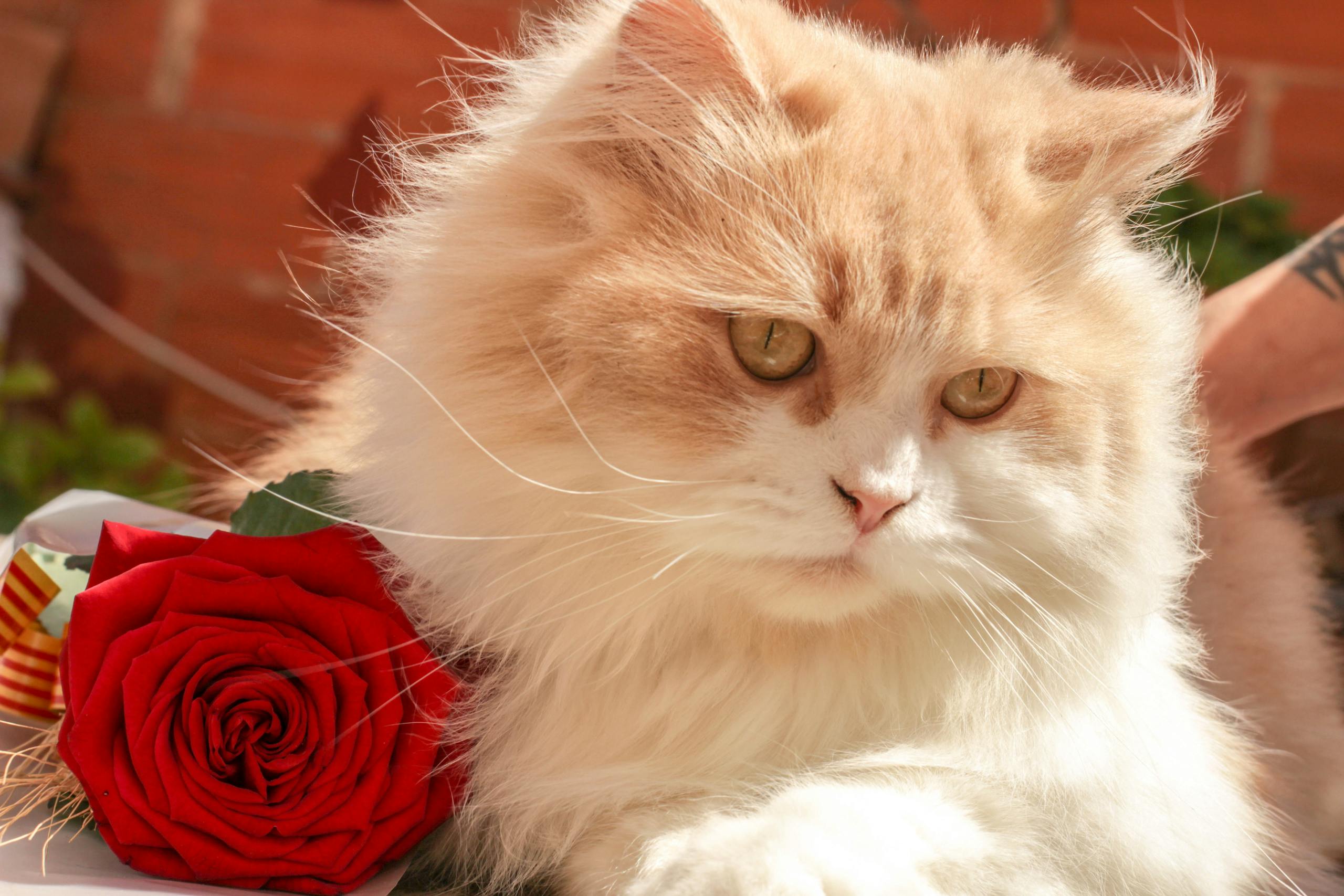
The Persian Cat‘s Palate: Optimal Nutrition for a Regal Feline
Proper nutrition is paramount for the health, well-being, and magnificent coat of a Persian Cat. Due to their brachycephalic (flat-faced) structure, they have unique eating habits and digestive needs. As obligate carnivores, their diet must be rich in animal-based protein.
Dietary Needs of the Persian Cat
Persian Cats, like all felines, are strict carnivores. Their bodies are designed to derive nutrients primarily from meat, fish, and organs. An optimized diet for a Persian Cat should adhere to the following principles:
- High Animal Protein Content: The majority of their calories should come from high-quality animal proteins such as chicken, turkey, beef, lamb, and fish. Protein is crucial for muscle maintenance, healthy skin, and that iconic luxurious coat.
- Low to No Carbohydrates: Grains and excessive carbohydrates are not natural components of a feline diet and can contribute to weight gain and digestive issues. Grain-free or very low-carb options are preferable for a Persian Cat.
- Essential Fatty Acids: Omega-3 and Omega-6 fatty acids are vital for maintaining the luster of their coat, skin health, and overall immune function. These are often found in fish oil or certain meat sources.
- Adequate Vitamins and Minerals: A balanced diet ensures your Persian Cat receives all necessary vitamins and minerals for optimal health.
- High Moisture Content: Cats naturally get a significant portion of their hydration from their food. Wet food is highly recommended for Persian Cats to ensure sufficient water intake, which helps prevent urinary tract issues and keeps them hydrated. Dry kibble, while convenient, often lacks the necessary moisture and can contribute to dehydration if not supplemented with wet food or ample water sources.
Choosing the Right Food for Your Persian Cat
Given their flat faces, Persian Cats can sometimes struggle to pick up dry kibble or eat comfortably from traditional bowls. This can lead to messy eating or even reduced food intake.
- Wet Food Preference: High-quality wet food is often the best choice for a Persian Cat. Look for formulations that list real meat as the first ingredient and avoid fillers, by-products, and excessive grains. Wet food also aids in hydration, which is vital given their predisposition to kidney issues (like Polycystic Kidney Disease).
- Amazon Product Link Idea for Wet Food: For high-quality, high-moisture nutrition, consider “Wellness CORE 95% Natural Grain-Free Wet Cat Food, Chicken & Turkey” [Link to Amazon product page for Wellness CORE 95% wet cat food]. This option is rich in animal protein and free from common fillers, making it an excellent choice for a Persian Cat.
- Kibble Considerations: If you opt for dry food for your Persian Cat, choose kibble specifically designed for brachycephalic breeds, which often have unique shapes that are easier for them to pick up. Even then, dry food should ideally be offered as a supplement to a primarily wet food diet.
- Amazon Product Link Idea for Breed-Specific Dry Food: To support dental health and manage hairballs, while being easier for their unique jaw structure to eat, “Royal Canin Feline Breed Nutrition Persian Adult Dry Cat Food” [Link to Amazon product page for Royal Canin Persian Adult dry food] is formulated specifically for the Persian Cat.
- Slow Feeders and Flat Bowls: To address their eating challenges, consider using shallow, wide bowls or slow feeders.
- Amazon Product Link Idea for Bowls: A good option to prevent whisker fatigue and make eating easier for your Persian Cat is the “FUKUMARU Ceramic Cat Food Water Bowl Set, Raised Cat Dish for Food and Water” [Link to Amazon product page for shallow, wide cat bowls].
Portion Control and Hydration
- Calorie Needs: An average adult Persian Cat requires about 40-45 calories per day per kilogram of body weight. Most stay lean on 180-230 calories daily.
- Scheduled Feedings: Free-feeding (leaving food out all day) can lead to obesity, which is a concern for Persian Cats given their often sedentary nature. Scheduled mealtimes with measured portions are highly recommended.
- Water Access: Always ensure your Persian Cat has access to fresh, clean water. A water fountain can encourage increased water intake, which is beneficial for kidney health.
- Amazon Product Link Idea for Water Fountain: To encourage your Persian Cat to drink more, the “PetSafe Drinkwell Platinum Pet Fountain” [Link to Amazon product page for a popular pet water fountain] provides a continuous stream of filtered water.
The Financial Commitment: Cost of a Persian Cat
Bringing a Persian Cat into your life is a significant financial commitment that extends far beyond the initial purchase price. These majestic felines have specific needs that contribute to ongoing expenses.
Initial Purchase Price
The price of a Persian Cat kitten can vary widely based on several factors:
- Pet-Quality Kittens: For a Persian Cat intended purely as a beloved companion (not for showing or breeding), you can typically expect to pay between $800 to $2,500 USD. This range is influenced by the breeder’s reputation, the kitten’s lineage, and your geographic location.
- Show-Quality or Breeding Cats: A Persian Cat with an impeccable pedigree, show potential, or rare coloration will command a much higher price, often ranging from $2,500 to $6,000 USD or even more. These cats are bred to meet stringent breed standards.
- Adoption: A more affordable and equally rewarding option is to adopt a Persian Cat from a rescue organization or animal shelter. Adoption fees usually fall between $100 to $500 USD and often include initial vaccinations, spaying/neutering, and sometimes microchipping. This is an excellent way to give a deserving Persian Cat a loving home.
Ongoing Annual Costs for Your Persian Cat
The long-term financial commitment for a Persian Cat can be substantial due to their particular care requirements. Here’s an estimated breakdown of typical yearly expenses:
- Food ($600 – $1,200+ per year): As discussed, high-quality food is essential. Monthly food expenses for a Persian Cat can range from $50 to $100+, depending on brand, diet type (wet-heavy vs. dry), and any specialized dietary needs.
- Veterinary Care ($400 – $1,500+ per year): Regular vet check-ups are critical for Persian Cats given their predisposition to certain health issues (e.g., respiratory, kidney, eye problems). Annual wellness exams might cost $100-$300, but unexpected illnesses, emergency visits, or chronic condition management can significantly increase these costs.
- Grooming and Accessories ($300 – $800+ per year): This is a major category for Persian Cat owners. Daily brushing, regular professional grooming or bathing, and specialized grooming tools are necessities. This budget also includes litter, litter boxes, scratching posts, cat trees, toys, and comfortable beds.
- Amazon Product Link Idea for Grooming Kit: A comprehensive grooming kit is a must-have. Consider the “Pet Grooming Kit by Hertzko – Dematting Comb, Slicker Brush, Deshedding Tool, and Stainless Steel Comb” [Link to Amazon product page for a multi-tool grooming kit]. This provides essential tools for maintaining your Persian Cat‘s coat.
- Pet Insurance ($400 – $900+ per year): Given the potential for breed-specific health issues, pet insurance is highly recommended. It can help mitigate the financial burden of unexpected veterinary emergencies or chronic conditions. Policies specifically covering hereditary or breed-specific conditions are crucial for a Persian Cat.
- Recommendation: When choosing pet insurance for a Persian Cat, look for providers that explicitly cover hereditary and congenital conditions, which are common for brachycephalic breeds. Companies like Embrace, ASPCA Pet Health Insurance, Figo, Pets Best, and Pumpkin often include such coverage in their accident and illness policies. Always compare quotes and policy details to find the best fit for your Persian Cat.
- Miscellaneous/Emergency Fund ($200 – $500+ per year): It’s always wise to have a buffer for unforeseen expenses, such as unexpected toy breakages, replacement of damaged items, or additional health supplements.
Factors Influencing the Price of a Persian Cat:
- Pedigree and Bloodline: Kittens from champion show lines or those with extensive, well-documented pedigrees from reputable breeders will always be at the higher end of the price spectrum.
- Coat Color and Pattern: Rare or highly sought-after colors and patterns (e.g., Chinchilla Silver, certain Bi-Colors) can increase the price.
- Breeder Reputation and Practices: Ethical breeders invest significantly in genetic testing for common Persian Cat health issues (like PKD), superior nutrition for their breeding cats and kittens, proper socialization, and excellent overall care. This commitment is reflected in their pricing.
- Geographical Location: Prices can vary based on regional demand and the general cost of living.
- Age: While kittens are generally more expensive, a retired breeding adult or a rehomed Persian Cat may be available at a lower cost, often benefiting from prior training and socialization.
Distinctive Features: Characteristics of the Persian Cat
The Persian Cat is immediately recognizable due to its truly unique and elegant physical characteristics, which together create its iconic serene and regal presence.
Physical Attributes of the Persian Cat
- Head: Characteristically large and round, with a broad skull, giving a soft, rounded appearance.
- Face – The Brachycephalic Signature: The most defining feature of the modern Persian Cat is its brachycephalic or “peke-face” facial structure. This is characterized by an extremely short, snub nose that is typically aligned with the lower eyelids. While this flat face is iconic in show lines, some Persian Cats retain a “traditional” or “doll-face” appearance with a less exaggerated nose, more closely resembling their ancestral form.
- Eyes: Large, round, and remarkably expressive eyes that are set wide apart. Eye color often complements the coat color, with stunning shades including brilliant copper, deep blue, sparkling green, and even “odd-eyes” (one blue, one copper or green) in white Persian Cats.
- Ears: Small, delicately rounded, and set low on the head, often adorned with charming tufts of fur that blend into their long mane.
- Body: A sturdy, well-muscled body with a distinctive “cobby” build – compact and stocky. They possess short, thick legs and large, firm, round paws, often with delightful toe tufts.
- Tail: Proportionately short compared to their body, but exceptionally bushy and carried low, flowing gracefully.
- Coat – The Crowning Glory: The hallmark of the Persian Cat is its magnificent, long, flowing, and incredibly thick double coat. It consists of a dense, woolly undercoat and a luxurious, silky topcoat, creating a plush, almost cloud-like feel. This incredible coat is also the reason for their extensive grooming needs, as it is highly prone to matting and tangling without diligent care.
- Size and Weight: An average Persian Cat typically weighs between 7 to 12 pounds (3 to 5.5 kg) and stands about 10-15 inches (25-38 cm) tall at the shoulder, presenting a substantial yet elegant presence.
Grooming Regimen for the Persian Cat
The stunning coat of a Persian Cat is a double-edged sword, demanding a significant commitment to grooming to maintain its beauty and prevent health issues.
- Daily Brushing: This is non-negotiable for a Persian Cat. Their dense coat needs to be brushed daily with a wide-toothed metal comb, followed by a slicker brush. Focus on areas prone to matting: behind the ears, under the chin, the stomach, and under the “armpits.” Neglecting daily brushing will quickly lead to painful mats that may require professional shaving.
- Amazon Product Link Idea for a Comb: A good quality wide-toothed metal comb, such as the “Andis Steel Pet Grooming Comb” is essential for working through their dense fur without pulling.
- Regular Bathing: Persian Cats generally require baths every 3-6 weeks to keep their long coats clean, free of grease, and prevent skin issues. Use a gentle, cat-specific shampoo, preferably one designed for long-haired breeds. Ensure thorough rinsing to avoid residue that can irritate the skin.
- Eye Care: Due to their brachycephalic faces, Persian Cats are prone to excessive tearing and tear staining. Their eyes must be gently wiped daily with a soft, damp cloth or a veterinarian-approved eye cleaner to prevent unsightly stains and potential infections.
- Amazon Product Link Idea for Eye Cleaner: For managing tear stains, “Eye Envy Tear Stain Remover Solution for Cats” [Link to Amazon product page for Eye Envy tear stain solution] is a popular and effective choice among Persian Cat owners.
- Ear Cleaning: Their small, fur-lined ears can easily accumulate dirt and wax. Regular inspection and gentle cleaning with a cotton ball moistened with a vet-approved ear cleaner are necessary to prevent infections.
- Nail Trimming: Like all cats, their nails should be trimmed every 2-4 weeks to prevent overgrowth and discomfort.
- Dental Care: Regular tooth brushing with cat-specific toothpaste and annual professional dental cleanings by a veterinarian are crucial to prevent dental disease, which can be more prevalent in Persian Cats due to their jaw structure.
The Gentle Soul: Personality of the Persian Cat
Beyond their opulent appearance, Persian Cats are cherished for their wonderfully sweet, placid, and gentle personalities. They are often referred to as “living room ornaments” due to their preference for lounging elegantly, but don’t let that fool you – they are deeply affectionate companions.
Key Personality Traits of the Persian Cat
- Calm and Serene: This is perhaps their most defining personality trait. Persian Cats are typically very laid-back, preferring a peaceful, quiet, and predictable environment. They are not known for being highly energetic or boisterous and generally enjoy a slower pace of life.
- Affectionate, Yet Not Overly Demanding: Persian Cats thrive on human companionship and genuinely enjoy cuddling, being petted, and sitting on laps. However, they are not typically “in your face” attention-seekers. They are content to simply be in the same room as their humans, observing or napping nearby, waiting for an invitation for affection.
- Docile and Sweet-Tempered: Their agreeable nature makes them superb companions, particularly for individuals, seniors, or families with older, gentle children. They are rarely aggressive and tend to tolerate handling well, although rough play should always be avoided.
- Quiet Vocalizations: Unlike some more vocal cat breeds, Persian Cats are generally quiet. They communicate with soft, gentle meows and comforting purrs, making them ideal for those who prefer a less talkative feline companion.
- Adaptable: While they certainly appreciate a calm and harmonious household, Persian Cats are remarkably adaptable to various living situations, including apartments, provided they receive consistent care, affection, and a stable routine.
- Sociable (on their terms): A Persian Cat can be a bit reserved or even shy with strangers initially, preferring to observe from a distance. However, once they feel comfortable and trust a new person, they will generally warm up. They tend to get along well with other calm pets, including well-behaved dogs, if proper, gradual introductions are made.
- Playful (in Moderation): While they are not acrobats or high-energy athletes, Persian Cats do enjoy gentle interactive play. They appreciate toys that stimulate their natural hunting instincts, such as feather wands, soft balls, or laser pointers (with a tangible reward at the end). Their play sessions are often shorter and less intense than those of more active breeds.
- Amazon Product Link Idea for Interactive Toys: Even a laid-back Persian Cat benefits from mental and physical stimulation. The “Petstages Tower of Tracks Cat Toy” [Link to Amazon product page for an interactive track toy] provides engaging batting fun. For more active play, a durable feather wand like the “Da Bird Original Cat Toy” [Link to Amazon product page for Da Bird] can entice even the laziest Persian Cat.
- Intelligent and Observant: Despite their calm demeanor, Persian Cats are intelligent and highly observant. They are keenly aware of their surroundings and often seem to possess a dignified understanding of household dynamics.
Time Together: Lifespan of the Persian Cat
With dedicated care, proper nutrition, and regular veterinary attention, Persian Cats can indeed enjoy a long and fulfilling life.
Average Lifespan
- The average lifespan of a Persian Cat is typically 12 to 15 years. However, it is not uncommon for healthy Persian Cats to live well into their late teens, with some individuals even reaching 18 years or more.
Factors Influencing the Lifespan of a Persian Cat
Several key factors contribute to how long a Persian Cat will live:
- Genetics: Responsible breeding practices that include genetic screening for common inherited conditions (like Polycystic Kidney Disease) significantly contribute to a longer, healthier life. Choosing a reputable breeder is crucial.
- Diet and Nutrition: As discussed, a high-quality, balanced diet rich in animal protein and moisture is fundamental for overall health, coat quality, and longevity.
- Veterinary Care: Regular preventative vet check-ups, up-to-date vaccinations, parasite control, and prompt treatment of any emerging health issues are paramount. Early detection of problems can dramatically improve outcomes.
- Grooming Consistency: Consistent daily grooming prevents painful mats, skin infections, and excessive hairball ingestion, all of which can negatively impact a Persian Cat‘s health and comfort.
- Environment: A safe, stimulating, and low-stress indoor environment free from hazards and extremes of temperature is ideal for a Persian Cat. Their dense coats make them sensitive to heat, and their brachycephalic faces can struggle with cold air or high humidity.
- Weight Management: Due to their relatively inactive nature, Persian Cats can be prone to obesity. Maintaining a healthy weight through controlled portions and gentle play is crucial to prevent related health problems like diabetes, joint issues, and heart strain.
Common Health Concerns for the Persian Cat
While generally robust, the Persian Cat breed is predisposed to certain health conditions, largely due to their distinctive flattened facial structure and some inherited genetic traits. Awareness of these can help owners provide proactive care.
- Brachycephalic Airway Syndrome (BAS): This is the most significant health concern due to their short, flattened faces. BAS can involve constricted nostrils (stenotic nares), an elongated soft palate, a hypoplastic trachea (narrow windpipe), and everted laryngeal saccules. These issues lead to noisy breathing, snoring, difficulty breathing (especially in heat or during stress), exercise intolerance, and increased risk of heatstroke. Severe cases may require corrective surgery.
- Polycystic Kidney Disease (PKD): An inherited genetic condition where cysts form in the kidneys, progressively enlarging and eventually leading to kidney failure. Responsible breeders DNA test their breeding cats for PKD to prevent passing on the gene.
- Hypertrophic Cardiomyopathy (HCM): A common heart disease in cats where the heart muscle thickens, reducing the heart’s efficiency. It can lead to heart failure and blood clots. Regular veterinary screenings, including echocardiograms, are important for early detection, especially in breeding lines.
- Eye Problems: The structure of their face and large, prominent eyes makes them susceptible to several ocular issues:
- Epiphora (Excessive Tearing): Due to tear ducts that may not drain properly, leading to constant tear staining on the face. Requires daily cleaning.
- Entropion: A condition where the eyelids roll inward, causing eyelashes to rub against the cornea, leading to irritation, pain, and potentially corneal ulcers. Often requires surgical correction.
- Cherry Eye: Prolapse of the third eyelid gland.
- Progressive Retinal Atrophy (PRA): An inherited degenerative eye disease that leads to gradual vision loss and eventual blindness.
- Dental Issues: Their compressed facial structure can lead to teeth overcrowding and misalignment, making them more prone to plaque buildup, tartar, gingivitis, and periodontal disease. Regular dental care is critical.
- Hairball Issues: Due to their immense amount of fur, Persian Cats are highly prone to hairball formation. If not managed through regular grooming and potentially hairball remedies or specialized diets, hairballs can cause digestive blockages.
- Seborrhea: A skin condition that causes the skin to become dry, flaky, and greasy, often accompanied by an unpleasant odor. Regular bathing with appropriate shampoos can manage this.
Being aware of these predispositions allows a Persian Cat owner to work closely with their veterinarian on preventative care, early diagnosis, and effective management, ultimately contributing to their cherished companion’s longevity and quality of life.
The Canvas of Color: Persian Cat Color Variants
One of the most enthralling aspects of the Persian Cat is the dazzling array of colors and patterns their magnificent coats can display. The Cat Fanciers’ Association (CFA) recognizes numerous divisions, encompassing a truly vast spectrum of hues and designs. This incredible genetic diversity ensures that there is a Persian Cat to capture the heart of every admirer.
Here’s an exploration of the primary color divisions and some popular examples within each, showcasing the breathtaking beauty of the Persian Cat in all its chromatic glory:
1. Solid Colors
These Persian Cats exhibit a single, uniform color throughout their entire coat, from the root to the tip of each hair, with no markings, shading, or patterns. Their eyes are typically brilliant copper.
- White: Pure, glistening white. Can have deep blue eyes (sometimes associated with deafness), brilliant copper eyes, or captivating “odd eyes” (one blue, one copper).
- Black: A rich, dense, jet black coat.
- Blue: A soft, medium blue, which is essentially a dilute black.
- Cream: A light, soft, warm cream color.
- Red (Flame): A clear, brilliant, rich red.
- Chocolate: A warm, deep brown color (less common and highly sought after).
- Lilac (Lavender): A delicate, pinkish-grey hue, a dilute version of chocolate (also rare).
2. Shaded and Smoke
These patterns are characterized by a white or lighter undercoat with varying degrees of colored tipping on the outer hairs, creating a shimmering or dramatic effect. Eye color for shaded Persians is typically green or blue-green.
- Shaded Silver: A white undercoat heavily tipped with black, giving the coat a beautiful, sparkling silver appearance. The tipping is concentrated on the back, sides, head, and tail.
- Chinchilla Silver: Similar to shaded silver but with much less black tipping, making the coat appear almost pure white with a delicate, ethereal silver shimmer, especially noticeable when the cat moves.
- Shaded Golden: A cream or pale apricot undercoat tipped with black, creating a warm golden hue.
- Chinchilla Golden: Similar to shaded golden but with minimal black tipping, resulting in a very light, delicate golden appearance.
- Smoke: A dramatic pattern where the undercoat is pure white, but the topcoat is heavily tipped with a solid color, giving the appearance of a solid-colored cat when still. When the Persian Cat moves, the underlying white coat flashes, creating a striking “smoke” effect.
- Black Smoke: White undercoat with heavily black-tipped topcoat.
- Blue Smoke: White undercoat with heavily blue-tipped topcoat.
- Red Smoke: White undercoat with heavily red-tipped topcoat.
- Cream Smoke: White undercoat with heavily cream-tipped topcoat.
- Tortoiseshell Smoke: A smoke pattern with tortoiseshell patches.
3. Tabby Patterns
Persian Cats display all three classic tabby patterns: Classic (bold, swirling “bullseye” markings on the sides), Mackerel (narrow, parallel stripes running down the sides), and Patched (a combination of solid color and tabby markings, typically with red or cream patches). Eye color is usually brilliant copper, though green is allowed in silver tabbies.
- Silver Tabby: Silver background with distinct black tabby markings.
- Brown Tabby: Warm brown background with dense black markings.
- Blue Tabby: Faint blue background with darker blue markings.
- Red Tabby: Red background with darker red markings.
- Cream Tabby: Cream background with darker cream markings.
- Cameo Tabby (Red Silver Tabby): Silver background with red markings.
- Cream Cameo Tabby: Silver background with cream markings.
4. Parti-Color
These Persian Cats feature patches of two or more distinct solid colors, typically with defined and often asymmetrical markings. These are almost exclusively female due to the genetic link between color and the X chromosome. Eye color is brilliant copper.
- Tortoiseshell (Tortie): A mosaic of black, red (orange), and often cream patches. The colors are distinct but often intermingle.
- Blue-Cream: The dilute version of tortoiseshell, with soft blue and cream patches.
- Chocolate Tortoiseshell: Patches of chocolate, red, and cream.
- Lilac-Cream: Patches of lilac and cream.
5. Bi-Color and Calico
These patterns involve a solid color or tabby pattern combined with distinct areas of white.
- Bi-Color: Any recognized solid color or tabby pattern combined with white. The white areas are typically well-defined and can cover varying amounts of the cat’s body, usually at least one-third. Examples include Black & White, Blue & White, Red & White. Eye color is typically brilliant copper.
- Calico: A specific type of bi-color that includes three distinct colors: white, black, and red (orange). The white areas are generally larger and more prominent than in tortoiseshells. Like tortoiseshells, Persian Cats with this pattern are almost exclusively female. Eye color is usually brilliant copper.
- Dilute Calico: A softer version of the Calico, featuring white, blue, and cream patches.
6. Himalayan (Colorpoint Persian Cat)
The Himalayan is a distinct division within the Persian Cat breed. It combines the long, flowing coat and sturdy body type of the Persian Cat with the striking colorpoint pattern (darker coloration on the “points” – face mask, ears, paws, and tail – with a lighter body) inherited from the Siamese cat. All Himalayans have brilliant deep blue eyes.
- Seal Point: Dark brown (seal) points on a creamy or fawn-colored body.
- Blue Point: Slate gray (blue) points on a cool-toned white body.
- Flame Point (Red Point): Red-orange points on a cream-colored body.
- Cream Point: Cream points on an ivory body.
- Chocolate Point: Warm chocolate points on an ivory body (rarer).
- Lilac Point: Pinkish-grey (lilac) points on a glacial white body (rarer).
- Tortie Point: Tortoiseshell pattern on the points.
- Blue-Cream Point: Blue and cream patches on the points.
- Lynx Point (Tabby Point): Tabby stripes on the points, combined with a colorpoint body.
The extraordinary range of colors and patterns ensures that each Persian Cat is a unique work of art, adding to the breed’s allure and making them a truly captivating companion. Whether you prefer the dramatic elegance of a Black Smoke, the shimmering beauty of a Chinchilla Silver, or the sweet charm of a Blue-Cream, there is a Persian Cat to perfectly match your aesthetic and capture your heart.
Top Amazon Essentials for Persian Cats
Here are reliable picks that Persian Cat experts recommend:
- Chris Christensen Top Cat Clarifying Shampoo (16 oz) – specifically designed for long coats: gentle, professional-grade Amazon
🔗 View on Amazon - Silicone Self-Cleaning Cat Brush – soft pet grooming tool for daily brushing Amazon
🔗 View on Amazon - Eye Envy Tear Stain Remover Kit – essential for flat-faced Persians prone to tear staining Amazon
🔗 View on Amazon - Delomo Pet Grooming Gloves – removes loose fur easily; People recommends for its effectiveness The Spruce Pets+4People.com+4People.com+4
🔗 View on Amazon - WHEARTED Cat Window Hammock – sturdy perch ideal for Persians who prefer lounging over climbing Reddit+2The Spruce Pets+2New York Post+2
🔗 View on Amazon
Conclusion: Embracing the Splendor of the Persian Cat
The Persian Cat is more than just a pet; it is a living embodiment of grace, tranquility, and enduring beauty. For those who are prepared for the commitment, particularly regarding their intensive grooming needs and potential health considerations, welcoming a Persian Cat into your home offers an unparalleled experience of quiet companionship and profound affection.
From understanding their precise dietary requirements, which often lean towards high-quality wet food to support their unique facial structure, to navigating the financial landscape of their purchase and ongoing care, being fully informed is the cornerstone of responsible Persian Cat ownership. Their distinctive characteristics – the flat face, large eyes, and, above all, that magnificent, flowing coat – demand attentive care that is deeply rewarding.
The Persian Cat‘s personality is a testament to their gentle nature: calm, sweet, affectionate without being overly demanding, and content to be a serene presence in your home. Their average lifespan, often extending well into the teens, means many years of devoted companionship await. And finally, the dazzling array of color variants, from pristine whites to dramatic smokes, intricate tabbies, and the charming colorpoints of the Himalayan, ensures that each Persian Cat is a unique masterpiece, a testament to feline genetic diversity and human selective breeding.
Ultimately, choosing a Persian Cat means choosing a lifestyle of dedicated care and quiet, dignified love. By embracing their specific needs and celebrating their many charms, you unlock the profound joy of sharing your life with one of the most beloved and visually stunning feline breeds in the world. The Persian Cat isn’t just a pet; it’s a cherished family member, an elegant guardian of your home, and a source of endless, gentle affection.