homemade dog food
Making homemade dog food can offer incredible control over your pet’s diet, addressing allergies and ensuring fresh, high-quality ingredients. It allows you to tailor meals to your dog’s specific needs, promoting better health and vitality. Always consult a vet or nutritionist to ensure nutritional completeness.
Many dog owners find themselves wondering about what truly goes into their furry friend’s bowl. With long ingredient lists and sometimes questionable additives in commercial dog foods, it’s easy to feel frustrated and even a little worried. You’re not alone in wanting the best for your dog, and providing a wholesome, balanced diet is a huge part of that. The good news is, making your dog’s food at home is a practical solution that can be easier than you think. This article will walk you through everything you need to know, from understanding essential nutrients to crafting delicious, balanced meals, giving you the confidence to nourish your canine companion right from your kitchen.
Why Consider Homemade Dog Food?
The decision to switch to homemade dog food often stems from a desire for greater control and transparency over what our beloved pets consume. There are several compelling reasons why more and more dog owners are choosing this path:
- Ingredient Control: When you prepare your dog’s food, you know exactly what goes into it. This means no mystery meats, artificial preservatives, fillers, or by-products. You choose fresh, whole ingredients, just like you would for your own family.
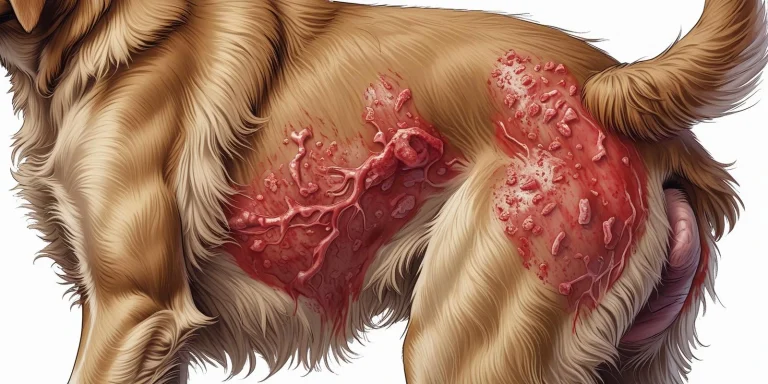
- Addressing Allergies and Sensitivities: Many dogs suffer from food allergies or sensitivities, which can manifest as skin issues, digestive upset, or ear infections. Commercial foods often contain common allergens like chicken, beef, corn, wheat, or soy. Homemade diets allow you to easily eliminate problematic ingredients and introduce novel proteins or carbohydrates that your dog tolerates well.
- Freshness and Quality: Homemade meals are prepared fresh, often using human-grade ingredients. This means higher nutrient retention compared to highly processed kibble that might sit on shelves for months. Fresh food often tastes better to dogs too!
- Improved Health Outcomes: Anecdotal evidence from many dog owners suggests that a fresh, homemade diet can lead to a shinier coat, healthier skin, better digestion, increased energy levels, and even improved management of certain chronic conditions like pancreatitis or kidney disease (under veterinary guidance).
- Picky Eaters: Some dogs are notoriously picky. A homemade diet can be tailored to their preferences, making mealtime more enjoyable and ensuring they get the nutrition they need. You can experiment with different protein sources, vegetables, and cooking methods.
- Cost-Effectiveness (Sometimes): While it might seem more expensive initially, buying ingredients in bulk and preparing meals at home can sometimes be more economical than purchasing premium commercial dog foods, especially for larger breeds or multiple dogs. Plus, the potential reduction in vet bills due to improved health can offset costs.
Is Homemade Dog Food Safe? The Importance of Balance
While the benefits of homemade dog food are appealing, it’s crucial to address the most important aspect: safety and nutritional completeness. A homemade diet is only safe if it is nutritionally balanced for your dog’s specific needs. This is where many well-intentioned owners can go wrong.
Simply mixing some cooked meat and rice, while seemingly healthy, can lead to serious nutritional deficiencies or excesses over time. Dogs have specific dietary requirements that differ significantly from humans. For instance, an imbalance in calcium and phosphorus can lead to severe bone problems, especially in growing puppies. Long-term deficiencies in essential vitamins or trace minerals can result in a range of health issues, from weakened immune systems to organ damage.
The Golden Rule: Consult a Veterinary Nutritionist.
This cannot be stressed enough. Before you embark on a homemade diet journey, or even if you’re already feeding homemade meals, seek guidance from a board-certified veterinary nutritionist. These specialists have advanced training in animal nutrition and can formulate a diet plan tailored to your dog’s:
- Age (puppy, adult, senior)
- Breed and size
- Activity level
- Existing health conditions (e.g., kidney disease, allergies, diabetes)
- Weight management needs
They can help you create a recipe that includes all necessary macronutrients (proteins, fats, carbohydrates) and micronutrients (vitamins, minerals) in the correct proportions, often recommending specific supplements to ensure completeness. Reputable online resources like BalanceIT.com or Petdiets.com, developed by veterinary nutritionists, also offer tools to formulate balanced recipes, though a direct consultation is always best for complex cases.
Without professional guidance, you risk causing more harm than good, potentially leading to long-term health problems that are expensive and difficult to correct.
Essential Nutrients Your Dog Needs
Understanding the fundamental nutrients your dog requires is the bedrock of creating a balanced homemade diet. Just like humans, dogs need a combination of macronutrients and micronutrients to thrive. Let’s break them down:
1. Proteins
Proteins are the building blocks of life. They are essential for muscle growth and repair, enzyme production, hormone synthesis, and a healthy immune system. For dogs, animal-based proteins are highly digestible and provide a complete amino acid profile.
- Sources: Lean meats (chicken, turkey, beef, lamb, pork), fish (salmon, cod), eggs, certain dairy products (cottage cheese in moderation).
- Importance: A dog’s diet should be rich in high-quality protein, especially for active dogs, puppies, and senior dogs needing muscle maintenance.
2. Fats
Fats are a concentrated source of energy, provide essential fatty acids, and help absorb fat-soluble vitamins (A, D, E, K). They also contribute to healthy skin and a shiny coat.
- Sources: Animal fats (from meat), fish oil (omega-3s), flaxseed oil, coconut oil (in moderation), olive oil.
- Importance: Omega-3 fatty acids, in particular, are crucial for brain development, joint health, and reducing inflammation.
3. Carbohydrates
Carbohydrates provide energy for daily activities and are a good source of fiber, which aids digestion and promotes gut health. While dogs can derive energy from proteins and fats, carbohydrates are an efficient and readily available energy source.
- Sources: Whole grains (brown rice, oats, quinoa, barley), starchy vegetables (sweet potatoes, pumpkin, potatoes), legumes (lentils, chickpeas – cooked and in moderation).
- Importance: Complex carbohydrates offer sustained energy release and provide essential vitamins and minerals.
4. Vitamins & Minerals
These micronutrients are vital for virtually every bodily function, from bone health and nerve function to vision and immune response. While many vitamins and minerals are found in whole foods, it’s often challenging to meet all requirements through food alone in a homemade diet, making supplementation crucial.
- Sources:
- Vitamins: A (carrots, sweet potatoes), B vitamins (meat, whole grains), C (berries, some vegetables), D (fish, eggs), E (leafy greens, nuts), K (leafy greens).
- Minerals: Calcium, Phosphorus (bone meal, dairy), Potassium (bananas, potatoes), Sodium, Magnesium, Zinc (meat), Iron (red meat), Selenium.
- Importance: Ensuring the correct balance of calcium and phosphorus is particularly critical for bone health. A multi-vitamin/mineral supplement formulated for dogs is almost always necessary for homemade diets to prevent deficiencies.
5. Water
Often overlooked, water is the most critical nutrient. It’s essential for virtually all bodily processes, including nutrient transport, temperature regulation, and waste elimination.
- Sources: Fresh, clean water should always be available. Homemade food, being moister than kibble, contributes to hydration, but free access to water is still paramount.
Common Ingredients for Homemade Dog Food
Building a balanced homemade diet involves selecting a variety of safe, nutritious ingredients. Here’s a list of commonly used and beneficial components:
Proteins:
- Chicken: Boneless, skinless chicken breast or thighs are excellent lean protein sources. Cooked and shredded.
- Turkey: Similar to chicken, lean and easily digestible. Ground turkey is convenient.
- Beef: Lean ground beef (e.g., 90/10 or 93/7), chuck, or round cuts. Cooked.
- Lamb: A good alternative for dogs with sensitivities to chicken or beef.
- Fish: Cooked salmon, cod, or sardines (in water, no salt) provide excellent omega-3 fatty acids. Ensure all bones are removed.
- Eggs: Cooked whole eggs are a complete protein source.
Carbohydrates:
- Brown Rice: A popular and easily digestible complex carbohydrate. Cook thoroughly.
- Oats: Rolled oats (not instant) are a good source of fiber. Cooked.
- Quinoa: A complete protein and good carbohydrate source. Cooked.
- Sweet Potatoes: Rich in vitamins A and C, and fiber. Cooked and mashed.
- Pumpkin: Canned pure pumpkin (not pie filling) is excellent for digestion and fiber.
- Potatoes: Plain white potatoes, cooked and cooled (avoid green parts).
Vegetables:
Most non-starchy vegetables are great for dogs, providing vitamins, minerals, and fiber. Always cook vegetables for better digestibility.
- Carrots: Good for vision, source of Vitamin A.
- Green Beans: Low calorie, high in fiber.
- Broccoli: In moderation, as it can cause gas in some dogs. Good source of Vitamin C and K.
- Spinach/Kale: Rich in iron and vitamins, but feed in moderation due to oxalates.
- Zucchini/Cucumber: High water content, low calorie.
- Bell Peppers: Red, yellow, or orange (avoid green, as they are harder to digest). Good source of Vitamin C.
Fruits (in moderation, as treats or small additions):
- Apples: Sliced, without seeds (seeds contain cyanide). Good source of fiber and vitamins.
- Blueberries: Antioxidant-rich superfood.
- Bananas: Good source of potassium, but high in sugar.
- Cantaloupe/Watermelon: Hydrating, remove seeds.
Healthy Fats:
- Fish Oil: Specifically salmon oil or cod liver oil, for omega-3s.
- Flaxseed Oil: Plant-based omega-3s, though not as bioavailable as fish oil.
- Coconut Oil: In small amounts, can aid skin and coat health.
- Olive Oil: A good source of monounsaturated fats.
Supplements:
As mentioned, a comprehensive multi-vitamin/mineral supplement formulated for homemade dog food is almost always necessary to ensure complete nutrition. Bone meal or a calcium supplement is often needed to balance the calcium-phosphorus ratio.
Ingredients to AVOID
Just as important as knowing what to include is knowing what to strictly avoid. Many common human foods are toxic or harmful to dogs. Always err on the side of caution.
- Chocolate: Contains theobromine, which is toxic to dogs and can cause vomiting, diarrhea, tremors, seizures, and even death. Dark chocolate and baking chocolate are most dangerous.
- Grapes and Raisins: Can cause acute kidney failure in dogs, even in small amounts. The toxic compound is unknown.
- Onions, Garlic, Chives, Leeks: All members of the Allium family. They contain compounds that can damage a dog’s red blood cells, leading to anemia. Garlic is more potent than onions.
- Xylitol: An artificial sweetener found in many sugar-free products (gum, candy, peanut butter, toothpaste). Extremely toxic, causing a rapid drop in blood sugar (hypoglycemia) and liver failure.
- Avocado: Contains persin, which can cause vomiting and diarrhea in some dogs. While the amount in the fruit itself might be low, it’s best to avoid.
- Alcohol: Even small amounts can cause intoxication, vomiting, diarrhea, central nervous system depression, tremors, coma, and death.
- Caffeine: Found in coffee, tea, energy drinks, and some medications. Can cause restlessness, rapid breathing, heart palpitations, muscle tremors, and seizures.
- Macadamia Nuts: Can cause weakness, tremors, vomiting, fever, and central nervous system depression.
- Cooked Bones: Cooked bones become brittle and can splinter, causing choking or internal damage (perforations, obstructions) to the digestive tract. Raw, appropriate bones can be safe, but homemade diets typically avoid them.
- Raw Yeast Dough: Can expand in the stomach, causing bloating and potentially life-threatening gastric dilatation-volvulus (GDV or bloat). The yeast also produces alcohol as it ferments.
- Excessive Salt: Can lead to sodium ion poisoning, causing vomiting, diarrhea, lethargy, tremors, and seizures.
- Excessive Sugar: Can lead to obesity, dental problems, and potentially diabetes.
- Moldy Foods: Can contain mycotoxins that cause tremors and seizures.
- Fat Trimmings and Bones (raw or cooked): While fats are essential, excessive amounts of raw fat trimmings can cause pancreatitis.
Basic Homemade Dog Food Recipes (Sample Ideas)
These recipes provide a starting point. Remember, these are *examples* and should be adjusted by a veterinary nutritionist to ensure they are complete and balanced for your specific dog. The key is the right ratio of protein, carbohydrates, fats, and a comprehensive supplement.
1. Chicken & Brown Rice Base
This is a classic and often well-tolerated base recipe. It’s gentle on the stomach and a good starting point for dogs with sensitivities.
Ingredients:
- 1.5 cups cooked lean ground chicken or shredded chicken breast (approx. 1 lb raw)
- 1.5 cups cooked brown rice
- 1 cup cooked mixed vegetables (e.g., steamed green beans, carrots, peas)
- 1-2 tablespoons healthy fat (e.g., flaxseed oil, fish oil, or olive oil)
- Recommended canine multi-vitamin/mineral supplement (as advised by vet nutritionist)
- Calcium supplement (e.g., bone meal or calcium carbonate, as advised by vet nutritionist)
Instructions:
- Cook chicken thoroughly until no pink remains. Shred or crumble.
- Cook brown rice according to package directions.
- Steam or boil vegetables until tender-crisp.
- In a large bowl, combine chicken, rice, and vegetables.
- Stir in the healthy fat.
- Once cooled, mix in the recommended amounts of canine multi-vitamin/mineral and calcium supplements.
- Portion and store.
2. Beef & Sweet Potato Base
A heartier option, great for active dogs or those who prefer beef.
Ingredients:
- 1.5 cups cooked lean ground beef (approx. 1 lb raw)
- 1.5 cups cooked and mashed sweet potato
- 1 cup cooked mixed vegetables (e.g., steamed broccoli florets, spinach, zucchini)
- 1-2 tablespoons healthy fat (e.g., fish oil, olive oil)
- Recommended canine multi-vitamin/mineral supplement
- Calcium supplement
Instructions:
- Cook ground beef until browned. Drain any excess fat.
- Peel and boil sweet potatoes until very tender. Mash thoroughly.
- Steam or boil vegetables.
- Combine beef, mashed sweet potato, and vegetables in a large bowl.
- Stir in the healthy fat.
- Once cooled, mix in the recommended supplements.
- Portion and store.
3. Turkey & Quinoa Base
A lean protein alternative with a complete protein grain.
Ingredients:
- 1.5 cups cooked lean ground turkey (approx. 1 lb raw)
- 1.5 cups cooked quinoa
- 1 cup cooked mixed vegetables (e.g., steamed carrots, bell peppers – red/yellow/orange, green beans)
- 1-2 tablespoons healthy fat (e.g., flaxseed oil, fish oil)
- Recommended canine multi-vitamin/mineral supplement
- Calcium supplement
Instructions:
- Cook ground turkey until browned. Drain any excess fat.
- Cook quinoa according to package directions.
- Steam or boil vegetables.
- Combine turkey, quinoa, and vegetables in a large bowl.
- Stir in the healthy fat.
- Once cooled, mix in the recommended supplements.
- Portion and store.
Sample Weekly Meal Plan (Illustrative – Consult a Vet Nutritionist)
This table illustrates how a homemade diet might be structured over a week for an average adult dog. Portion sizes will vary significantly based on your dog’s weight, activity level, and metabolic rate.
| Day | Morning Meal | Evening Meal |
|---|---|---|
| Monday | Chicken & Brown Rice Mix | Chicken & Brown Rice Mix |
| Tuesday | Chicken & Brown Rice Mix | Chicken & Brown Rice Mix |
| Wednesday | Beef & Sweet Potato Mix | Beef & Sweet Potato Mix |
| Thursday | Beef & Sweet Potato Mix | Beef & Sweet Potato Mix |
| Friday | Turkey & Quinoa Mix | Turkey & Quinoa Mix |
| Saturday | Turkey & Quinoa Mix | Turkey & Quinoa Mix |
| Sunday | Leftovers or Small Treat Meal | Fresh Batch Prep Day |
Balancing Homemade Dog Food: The Crucial Step
We’ve touched on this repeatedly, but it bears repeating with emphasis: balancing a homemade dog food diet is not optional; it’s absolutely critical for your dog’s long-term health. The risks of an unbalanced diet are severe and can lead to irreversible health problems.
The Role of a Veterinary Nutritionist
The gold standard for creating a balanced homemade diet is to consult a board-certified veterinary nutritionist. These are veterinarians who have undergone extensive, specialized training in animal nutrition. They can:
- Assess Your Dog’s Specific Needs: They take into account age, breed, weight, activity level, existing medical conditions, and any allergies or sensitivities.
- Formulate a Tailored Recipe: They will create a precise recipe, detailing the exact amounts of each ingredient (protein, carbohydrate, fat, vegetables) and, most importantly, the type and quantity of specific supplements needed to meet all nutrient requirements.
- Account for Nutrient Interactions: They understand how different nutrients interact and how deficiencies or excesses of one can impact others (e.g., calcium-phosphorus ratio).
- Provide Ongoing Support: They can adjust the diet as your dog’s needs change over time (e.g., from puppy to adult, or if a new medical condition arises).
You can find a board-certified veterinary nutritionist through organizations like the American College of Veterinary Nutrition (ACVN).
Reliable Online Formulation Tools
While a direct consultation is ideal, especially for dogs with complex health issues, some online resources developed by veterinary nutritionists can help formulate recipes:
- BalanceIT.com: This website allows you to create recipes based on your dog’s profile and provides a custom supplement blend to ensure nutritional completeness. It’s a popular and widely respected resource.
- Petdiets.com: Run by a team of veterinary nutritionists, this site also offers recipe formulation services.
These tools are designed to take the guesswork out of balancing, but they still require careful adherence to their instructions, especially regarding the specific supplements they recommend.
The Importance of Supplements
It is nearly impossible to meet all of a dog’s vitamin and mineral requirements using whole food ingredients alone in a homemade diet. This is where supplements come in. A generic human multi-vitamin is NOT appropriate for dogs, as the nutrient ratios and forms are different, and some human supplements can be toxic to dogs.
- Calcium: This is one of the most common deficiencies in homemade diets. Meats are high in phosphorus but low in calcium, leading to an inverted calcium-to-phosphorus ratio, which can cause severe bone problems. A calcium supplement (like calcium carbonate or bone meal) is almost always necessary.
- Canine Multi-Vitamin/Mineral: A specific, balanced supplement formulated for homemade dog diets will provide essential trace minerals (like zinc, copper, iodine, selenium) and vitamins (like B vitamins, Vitamin D, E) that might be lacking or present in insufficient amounts in whole foods.
- Omega-3 Fatty Acids: While some fish are good sources, a dedicated fish oil supplement (like salmon oil or cod liver oil) can ensure adequate intake of EPA and DHA, crucial for anti-inflammatory benefits, skin, coat, and brain health.
Never guess with supplements. Use only those recommended by your veterinary nutritionist or a reputable formulation tool, and measure them precisely.
Preparation and Storage Tips
Once you have your balanced recipe, efficient preparation and proper storage are key to making homemade dog food manageable and safe.
Batch Cooking: Your Best Friend
Preparing meals daily can be time-consuming. Batch cooking is the most practical approach:
- Set Aside Time: Dedicate a few hours once a week or every two weeks to cook and prepare all ingredients.
- Cook in Bulk: Cook large quantities of protein (e.g., a whole chicken, several pounds of ground meat), grains, and vegetables.
- Assemble: Once everything is cooked and cooled, mix the ingredients according to your recipe, adding the required supplements.
- Portion Control: Divide the mixture into individual meal portions using food scales for accuracy. This ensures your dog gets the correct amount of calories and nutrients at each meal.
Proper Cooling and Storage
Just like human food, homemade dog food needs to be handled and stored correctly to prevent bacterial growth.
- Rapid Cooling: After cooking, cool the food quickly. You can divide large batches into smaller, shallow containers to speed up the cooling process. Do not leave cooked food at room temperature for more than two hours.
- Refrigeration: Food can be safely stored in airtight containers in the refrigerator for 3-4 days.
- Freezing: For longer storage, freeze individual portions. Use freezer-safe bags, containers, or even silicone muffin trays (then pop out the frozen portions into a larger bag). Frozen food can last for up to 3 months.
- Thawing: Thaw frozen portions in the refrigerator overnight. Avoid thawing at room temperature.
- Reheating: If your dog prefers warm food, gently warm it up, but ensure it’s not too hot before serving.
Hygiene and Safety
- Cleanliness: Use separate cutting boards and utensils for raw meat, and thoroughly clean all surfaces, bowls, and equipment with hot, soapy water after use.
- Food Quality: Always use fresh, high-quality ingredients, just as you would for your own meals. Avoid anything past its prime or that you wouldn’t eat yourself.
- Raw Food Handling: If your recipe includes any raw components (less common in beginner homemade diets, but some raw diets exist), follow strict raw food handling guidelines to prevent contamination (e.g., separate surfaces, immediate cleanup, handwashing).
Transitioning Your Dog to Homemade Food
Switching your dog’s diet, especially from commercial kibble to homemade, should always be a gradual process. A sudden change can upset their digestive system, leading to vomiting, diarrhea, or a refusal to eat.
The Gradual Introduction Method:
Aim for a transition period of 7-10 days, slowly increasing the proportion of new food while decreasing the old. For dogs with very sensitive stomachs, you might extend this to 2-3 weeks.
- Days 1-2: 75% Old Food, 25% Homemade Food
- Days 3-4: 50% Old Food, 50% Homemade Food
- Days 5-6: 25% Old Food, 75% Homemade Food
- Day 7-10+: 100% Homemade Food
Monitoring Your Dog:
During the transition, pay close attention to your dog’s:
- Stool: Look for changes in consistency, frequency, or color. Loose stools or diarrhea are common signs of digestive upset.
- Appetite: Is your dog eating enthusiastically, or are they hesitant?
- Energy Levels: Are they still active and playful?
- Vomiting: Any signs of regurgitation or vomiting should be noted.
- Itching/Skin Issues: If you’re switching due to allergies, monitor for improvement or any new skin problems.
If you notice significant digestive upset, slow down the transition. If problems persist, consult your veterinarian. They can offer advice or rule out underlying health issues.
Tips for Picky Eaters:
- Warm it Up: Gently warming the homemade food can enhance its aroma and make it more appealing.
- Variety (Within the Balanced Plan): If your nutritionist approves, rotate proteins or vegetables within the balanced recipe to keep things interesting.
- Patience: Some dogs take longer to adjust to new textures and flavors. Be patient and consistent.
- Avoid Free Feeding: If your dog is a picky eater, try scheduled meal times (e.g., 15-20 minutes) and remove the bowl if they don’t eat. This can encourage them to eat at meal times.
Cost-Effectiveness of Homemade Dog Food
One of the common questions about homemade dog food is its cost. Is it cheaper or more expensive than commercial options? The answer is: it depends.
Factors Influencing Cost:
- Ingredient Quality: Using human-grade, organic, or specialty ingredients will naturally increase the cost. Budget-friendly options like chicken thighs, ground turkey, and seasonal vegetables can help manage expenses.
- Dog Size: Larger dogs eat more, so the cost scales up significantly.
- Commercial Food Comparison:
- Vs. Budget Kibble: Homemade food will almost certainly be more expensive than cheap, low-quality kibble.
- Vs. Premium Kibble/Wet Food: When compared to high-quality, grain-free, or limited-ingredient commercial foods, homemade can sometimes be comparable or even cheaper, especially if you buy ingredients in bulk and cook efficiently.
- Shopping Habits: Buying ingredients on sale, in bulk, or from local farmers’ markets can reduce costs.
- Supplements: The cost of the necessary vitamin and mineral supplements must be factored in, as they are non-negotiable for a balanced diet.
Potential Savings:
- Bulk Buying: Purchasing large packs of meat, rice, or frozen vegetables can lead to significant savings per pound.
- Reduced Vet Bills (Potentially): While not guaranteed, a truly balanced, fresh diet can sometimes lead to fewer health issues (e.g., fewer allergy flare-ups, better digestive health), potentially reducing long-term veterinary costs.
- Fewer Treats/Additives: Since you control the main meal, you might find yourself buying fewer expensive commercial treats or dental chews.
The Value Proposition:
Beyond the direct financial cost, consider the value. Homemade food offers:
- Peace of Mind: Knowing exactly what your dog is eating.
- Health Benefits: Potential improvements in coat, energy, digestion, and management of specific conditions.
- Tailored Nutrition: The ability to customize the diet to your dog’s unique needs, which commercial foods cannot always provide.
For many owners, the health benefits and peace of mind outweigh any potential increase in cost compared to commercial options.
Potential Challenges and Solutions
While rewarding, preparing homemade dog food isn’t without its challenges. Being aware of these and having solutions in mind can make the process much smoother.
1. Time Commitment:
- Challenge: Daily cooking can be very time-consuming.
- Solution: Embrace batch cooking. Dedicate a few hours once or twice a week to prepare larger quantities. Freeze individual portions for quick daily meals. Use a slow cooker or instant pot for hands-off cooking of proteins and grains.
2. Nutritional Balance:
- Challenge: Ensuring the diet is nutritionally complete and balanced for your dog’s specific needs. This is the biggest and most critical challenge.
- Solution: ALWAYS consult a board-certified veterinary nutritionist. Use reputable online formulation tools (like BalanceIT.com) designed by nutritionists. Never guess with supplements; use only canine-specific, vet-recommended formulations.
3. Picky Eaters:
- Challenge: Some dogs might be hesitant to try new foods or textures.
- Solution: Transition gradually (as discussed above). Experiment with different protein sources or vegetable preparations (e.g., pureed vs. chopped) within your nutritionist’s approved recipe. Gently warm the food to enhance aroma. Be patient and consistent.
4. Cost:
- Challenge: Homemade food can sometimes be more expensive than budget kibble.
- Solution: Buy ingredients in bulk when on sale. Opt for more affordable protein sources (e.g., chicken thighs, ground turkey). Incorporate seasonal vegetables. Factor in the long-term health benefits and potential reduction in vet bills.
5. Travel and Convenience:
- Challenge: Homemade food is less convenient for travel or boarding compared to kibble.
- Solution: For short trips, pre-portion and freeze meals, then pack them in a cooler. For longer trips or boarding, consider bringing a small bag of high-quality commercial kibble (if your dog tolerates it) as a temporary measure, or arrange with your boarder to store and serve your homemade meals. Some owners dehydrate homemade meals for travel.
6. Sourcing Ingredients:
- Challenge: Finding specific ingredients, especially if you’re aiming for organic or novel proteins.
- Solution: Plan your grocery trips. Explore different grocery stores, butchers, or online suppliers. Consider joining a local food co-op or buying directly from farms for fresh produce and meats.
When to Stick with Commercial Dog Food
While homemade dog food offers many advantages, it’s not the right choice for every dog or every owner. There are situations where sticking with a high-quality commercial dog food is the more practical and responsible choice.
- Time Constraints: If you genuinely do not have the time to consistently prepare and portion homemade meals, even with batch cooking, a commercial diet is better than an inconsistently prepared or unbalanced homemade one.
- Budget Limitations: If the cost of human-grade ingredients and essential supplements is genuinely prohibitive, it’s better to choose a high-quality commercial food that you can consistently afford than to feed an incomplete homemade diet.
- Lack of Access to Veterinary Nutritionist: If you cannot consult a board-certified veterinary nutritionist or access reputable formulation tools, attempting a homemade diet without expert guidance is risky.
- Specific Medical Conditions Requiring Highly Specialized Diets: Some complex medical conditions (e.g., severe kidney disease, certain types of cancer, specific metabolic disorders) require incredibly precise dietary formulations that are often best managed with therapeutic veterinary diets. While a veterinary nutritionist can formulate homemade diets for these, it requires extreme diligence and precision.
- Convenience and Travel: For owners who travel frequently with their dogs, use boarding facilities often, or simply value the ease of scooping kibble, commercial food offers unparalleled convenience.
- Picky Eaters Who Refuse Homemade: Despite best efforts, some dogs simply won’t eat homemade food consistently, making it impossible to ensure they get adequate nutrition.
Ultimately, the best diet for your dog is one that is nutritionally complete and balanced, safe, and sustainable for you to provide consistently. For many, a high-quality commercial dog food, perhaps supplemented with fresh ingredients as treats or meal toppers, remains an excellent and responsible choice.
Frequently Asked Questions (FAQ)
Q1: Is it really cheaper to make dog food at home?
A1: It depends. Homemade dog food can be cheaper than premium commercial brands, especially if you buy ingredients in bulk and cook efficiently. However, it will likely be more expensive than budget kibble. The cost of essential supplements must also be factored in.
Q2: Do I need to cook all ingredients for homemade dog food?
A2: Yes, generally, it’s recommended to cook most ingredients, especially meats, grains, and starchy vegetables. Cooking improves digestibility and eliminates harmful bacteria. Some vegetables can be fed raw (like carrots or green beans), but cooking often enhances nutrient availability for dogs. Never feed cooked bones.
Q3: Can I just feed my dog leftovers from my own meals?
A3: No, simply feeding human leftovers is not a balanced diet for dogs and can be very dangerous. Human food often contains ingredients toxic to dogs (like onions or garlic), excessive salt, sugar, or fats, or lacks essential nutrients dogs need. A balanced homemade diet is specifically formulated for canine nutritional requirements.
Q4: How do I know if my homemade dog food is balanced?
A4: The only way to truly know if your homemade dog food is balanced is to have the recipe formulated by a board-certified veterinary nutritionist or use a reputable online formulation tool developed by veterinary nutritionists (like BalanceIT.com). They will ensure the correct ratios of proteins, fats, carbohydrates, vitamins, and minerals, and recommend specific supplements.
Q5: How long does homemade dog food last?
A5: Homemade dog food can be stored in an airtight container in the refrigerator for 3-4 days. For longer storage, it can be frozen for up to 3 months. Always cool food rapidly after cooking and follow proper food safety guidelines.
Q6: My dog is a puppy. Can I feed homemade food?
A6: Yes, puppies can eat homemade food, but it’s even more critical for puppies to have a precisely balanced diet. Nutritional deficiencies or imbalances during growth can lead to irreversible developmental problems. Always work with a veterinary nutritionist experienced in puppy nutrition to create a recipe for your growing dog.
Q7: What are the signs of an unbalanced diet in dogs?
A7: Signs of an unbalanced diet can vary widely depending on the deficiency or excess. They might include poor coat quality, skin issues, low energy, weight loss or gain, digestive upset (vomiting, diarrhea), weakened immune system, lameness, bone deformities, or even organ damage over time. If you suspect an imbalance, consult your vet immediately.