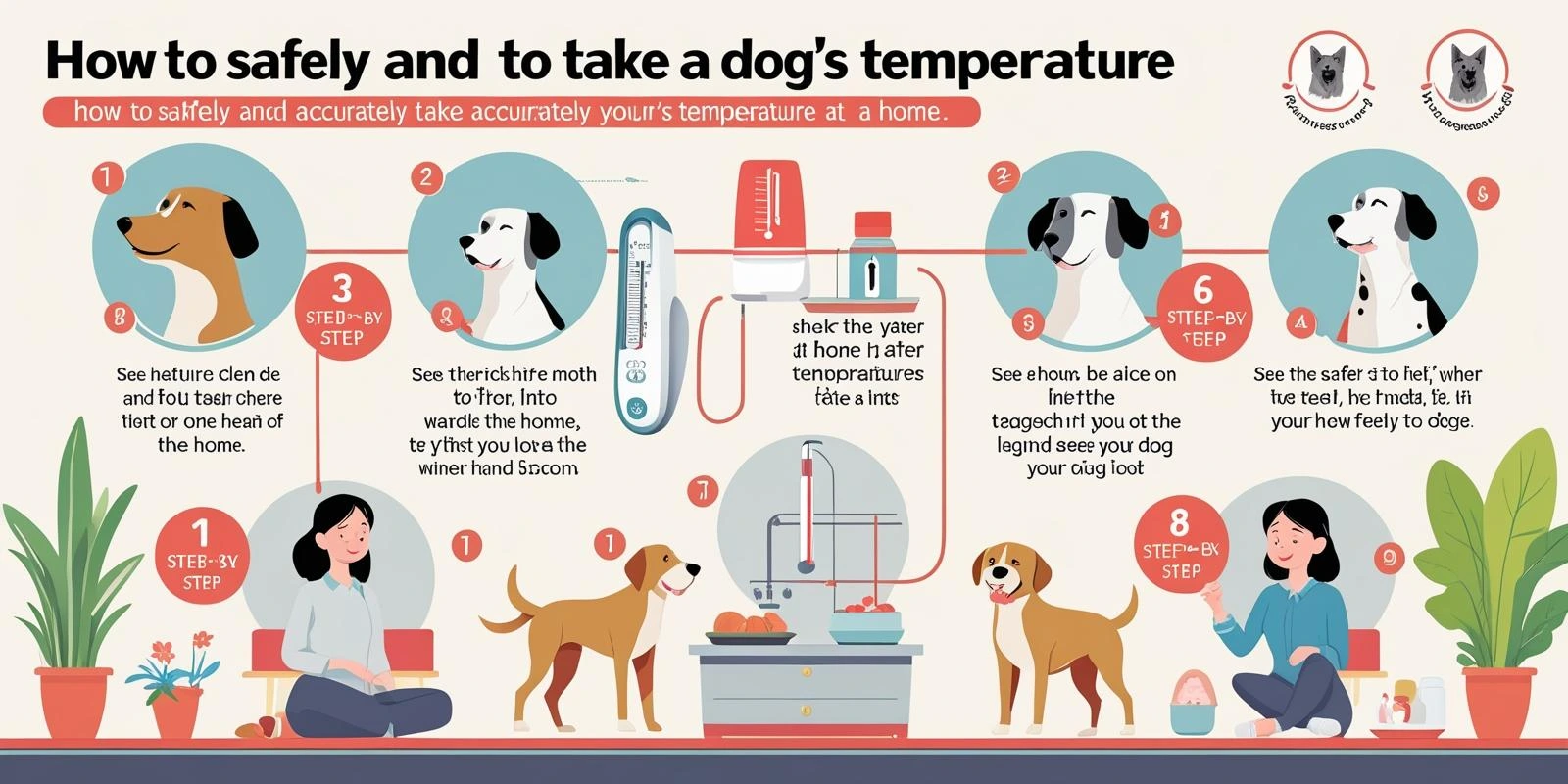
How to Take Your Dog’s Temperature: Guide for Pet Owners
How to Take Your Dog’s Temperature: Guide for Pet Owners
To take your dog’s temperature, use a digital rectal thermometer. Lubricate the tip, gently insert it about 1 inch into their rectum, and wait for the beep. A normal temperature is 100°F to 102.5°F (37.8°C to 39.2°C). Call your vet if it’s above 103°F (39.4°C) or below 99°F (37.2°C).
Knowing your dog’s temperature is a key part of their health. It helps you know if they are feeling unwell. A fever can be a sign of trouble. But how do you take it? It can seem tricky or even a bit scary at first. Many pet owners feel unsure about this task. Don’t worry! You are in the right place. This guide makes it easy. We will show you what you need. You’ll learn simple steps. You’ll be a pro in no time. Let’s walk through each step with real examples and practical tips.
Why is Taking Your Dog’s Temperature Important?
Your dog can’t tell you they have a fever. Their body language might give clues, but a temperature reading offers a clear, objective measure of their health. A fever often signals an infection or inflammation. Catching a fever early can mean faster treatment and a better outcome for your furry friend. It’s a vital part of your pet’s basic first aid and ongoing health monitoring.
Regularly checking your dog’s temperature, especially if they seem off, can help you decide if a vet visit is needed. It also gives your veterinarian crucial information when you call them. Knowing your dog’s normal temperature can help you spot when something is wrong, even before other symptoms appear.
What is a Normal Dog Temperature?
Just like humans, dogs have a normal body temperature range. It’s important to know this range so you can tell if your dog’s temperature is too high or too low. A dog’s normal temperature is slightly higher than a human’s.
- Normal Range: 100°F to 102.5°F (37.8°C to 39.2°C)
- Fever: Generally, a temperature above 103°F (39.4°C) is considered a fever.
- Hypothermia (Low Temperature): A temperature below 99°F (37.2°C) can be a sign of hypothermia, which is also serious.
It’s a good idea to take your dog’s temperature when they are healthy and relaxed. This gives you a baseline reading. Every dog is a little different, and knowing their normal helps you spot changes more easily.
Signs Your Dog Might Have a Fever
Before you even think about taking their temperature, your dog might show signs that they’re not feeling well. These symptoms can alert you that it’s time to check their temperature:
- Lethargy or Weakness: Your dog seems unusually tired or less active.
- Loss of Appetite: They refuse to eat or drink, or show little interest in food.
- Shivering or Trembling: Even if the room isn’t cold.
- Coughing or Sneezing: Signs of a respiratory issue.
- Vomiting or Diarrhea: Digestive upset.
- Warm Ears or Nose: While not a reliable indicator, it can be a sign.
- Red Eyes: Inflamed or watery eyes.
- Reduced Grooming: They might stop licking themselves.
- Nasal Discharge: Runny nose.
- Behavioral Changes: Hiding, being unusually quiet, or acting irritable.
If you notice any of these signs, taking your dog’s temperature is a logical next step to confirm if a fever is present and if veterinary attention is needed.
What You’ll Need to Take Your Dog’s Temperature
Gathering your supplies beforehand makes the process smoother and less stressful for both you and your dog. Here’s a checklist:
- Digital Rectal Thermometer: This is the most accurate type for dogs. You can buy one specifically for pets, or a standard human digital thermometer works well too. Make sure it’s not a glass mercury thermometer, as these can break.
- Petroleum Jelly or Water-Based Lubricant: K-Y Jelly or Vaseline works perfectly. This makes insertion comfortable.
- Disposable Gloves: For hygiene.
- Paper Towels or Tissues: For cleaning the thermometer.
- Treats: High-value treats are essential for distraction and positive reinforcement.
- A Helper (Optional but Recommended): Especially if your dog is squirmy or large.
- Your Dog’s Favorite Blanket or Mat: To make them feel more comfortable.
Types of Thermometers for Dogs
While a digital rectal thermometer is the gold standard for accuracy, it’s helpful to understand other options:
1. Digital Rectal Thermometer
- Pros: Most accurate reading, quick results (usually beeps in 10-60 seconds), inexpensive.
- Cons: Invasive, requires cooperation from the dog.
- Recommendation: Highly recommended for reliable readings.
2. Ear (Tympanic) Thermometer
- Pros: Less invasive, quicker than rectal (often instant).
- Cons: Less accurate than rectal. Readings can be affected by earwax, ear infections, or improper placement. More expensive.
- Recommendation: Can be used for a quick check, but always confirm with a rectal thermometer if the reading is concerning.
3. Forehead (Temporal Artery) Thermometer
- Pros: Non-invasive, easy to use.
- Cons: Least accurate for dogs. Designed for humans, and a dog’s fur can interfere with readings.
- Recommendation: Not recommended for reliable temperature readings in dogs.
For this guide, we will focus primarily on the rectal method due to its superior accuracy, which is crucial when your pet’s health is at stake.
Step-by-Step Guide to Taking a Dog’s Rectal Temperature (Most Accurate Method)
This method might seem daunting, but with the right approach, it can be quick and relatively stress-free for your dog.
Step 1: Prepare Your Supplies
Lay out everything you need within easy reach: thermometer, lubricant, gloves, treats, and paper towels. Turn on the digital thermometer so it’s ready.
Step 2: Lubricate the Thermometer
Apply a generous amount of petroleum jelly or water-based lubricant to the tip of the thermometer. Cover about the first inch of the tip. This makes insertion much more comfortable for your dog.
Step 3: Position Your Dog
The key to success is keeping your dog calm and still. Here are a few options:
- Small Dogs: You can place them on a table or countertop. If you have a helper, one person can gently hold the dog while the other takes the temperature.
- Large Dogs: Have them stand on the floor. You might need to have them stand against a wall or in a corner to prevent them from backing up.
- Using a Helper: If possible, have one person gently hold and reassure your dog, offering treats and praise. The helper can also distract the dog by talking to them or gently scratching their ears.
Make sure your dog is comfortable. A happy, relaxed dog is much easier to work with.
Step 4: Lift the Tail and Locate the Rectum
Gently lift your dog’s tail straight up to expose the anus. The anus is the opening directly below the tail.
Step 5: Insert the Thermometer
With a firm but gentle hand, slowly and steadily insert the lubricated tip of the thermometer into the rectum. Aim for about 1 inch (2.5 cm) deep for small to medium dogs, and 1 to 1.5 inches (2.5 to 3.8 cm) for larger dogs. Do not force it. If you meet resistance, stop and try to adjust the angle slightly. Angle the thermometer slightly towards the wall of the rectum, not directly towards the spine.
Step 6: Hold Still and Wait for the Beep
Hold the thermometer in place until it beeps, indicating it has a reading. This usually takes between 10 to 60 seconds for most digital thermometers. During this time, continue to praise your dog and offer treats. Keep them as calm as possible.
Step 7: Remove and Read the Thermometer
Once the thermometer beeps, gently remove it. Read the temperature displayed on the screen. Make a note of the reading immediately, along with the time and date.
Step 8: Clean Up and Reward
Clean the thermometer thoroughly with rubbing alcohol or soap and water, then rinse and dry it. Store it in a clean, safe place. Dispose of your gloves. Most importantly, give your dog plenty of praise, cuddles, and their favorite treats. Make it a positive experience so they associate it with good things.
Taking Your Dog’s Ear Temperature (Less Invasive)
While not as accurate as the rectal method, an ear thermometer can be a good option for quick checks, especially if your dog is very resistant to rectal temperature taking. Remember, if the ear reading is concerning, follow up with a rectal temperature if possible, or consult your vet.
Step 1: Prepare the Thermometer
Use a digital ear thermometer designed for pets (or a human one if it fits). Ensure it’s clean and ready.
Step 2: Position Your Dog
Have your dog sit or lie down comfortably. A helper can be useful here to keep them still and distract them.
Step 3: Insert into the Ear Canal
Gently pull your dog’s ear flap straight up to straighten the ear canal. Carefully insert the tip of the thermometer into the horizontal ear canal. Do not push too deep, just enough to get a good seal.
Step 4: Take the Reading
Hold the thermometer in place until it beeps. Remove it and read the temperature. Earwax or ear infections can affect accuracy, so ensure the ear canal is clean if possible.
Step 5: Reward
Always reward your dog with treats and praise for their cooperation.
When to Call the Vet
Knowing how to take your dog’s temperature is only half the battle. Knowing when to act on that reading is just as important. You should contact your veterinarian immediately if:
- Temperature is 103°F (39.4°C) or higher: This is a clear sign of a fever and warrants professional attention.
- Temperature is below 99°F (37.2°C): This indicates hypothermia, which can be as dangerous as a fever and requires immediate veterinary care.
- Your dog’s temperature is abnormal and accompanied by other symptoms: Even if the temperature is borderline, if your dog is also lethargic, vomiting, has diarrhea, is coughing, or shows other signs of illness, it’s best to call your vet.
- Your dog is a puppy or senior dog: These age groups are more vulnerable to temperature extremes and illness.
- Your dog has a known chronic illness: Underlying conditions can make them more susceptible to complications from a fever or low temperature.
- You are unsure or concerned: When in doubt, always err on the side of caution and contact your veterinarian. They can provide guidance based on your dog’s specific situation.
Remember, a temperature reading is just one piece of the puzzle. Your vet will consider all symptoms, your dog’s history, and a physical exam to make a diagnosis.
Tips for a Stress-Free Temperature Taking Experience
Making this a positive experience is key for future attempts. Here are some tips:
- Start Young: If you have a puppy, get them used to being handled around their rear end early on.
- Positive Reinforcement: Always use high-value treats and praise generously, even if the attempt isn’t perfect.
- Stay Calm: Dogs pick up on our emotions. If you’re stressed, they will be too. Take a deep breath.
- Practice: Even if your dog isn’t sick, occasionally practice the steps (without actually inserting the thermometer fully) while giving treats.
- Choose the Right Time: Pick a time when your dog is relaxed, perhaps after a walk or a nap, not when they are overly excited or anxious.
- Warm the Thermometer (Optional): If the thermometer feels very cold, you can warm the lubricated tip slightly in your hand for a few seconds before insertion, but ensure it’s not hot.
- Distraction: Have your helper offer a favorite toy or a lick mat filled with peanut butter during the process.
- Be Quick and Efficient: The faster you are, the less time your dog has to get anxious.
Troubleshooting Common Issues
Even with preparation, you might encounter some challenges. Here’s how to address them:
- My Dog Won’t Stay Still:
- Solution: Try enlisting a helper to hold and distract your dog. If alone, consider wrapping a smaller dog in a towel (like a burrito) to gently restrict movement, ensuring they can still breathe and aren’t stressed. For larger dogs, try cornering them gently against a wall. Increase the value of treats.
- I Can’t Find the Rectum/It Feels Blocked:
- Solution: Ensure you’ve lifted the tail straight up and identified the anus correctly. Apply more lubricant. If you still meet significant resistance, do not force it. This could indicate a medical issue or severe constipation. Consult your vet.
- The Thermometer Isn’t Beeping:
- Solution: Check the battery. Ensure it’s fully inserted and making proper contact. Some cheaper thermometers might take longer. If it still doesn’t work, you might need a new one.
- My Dog is Acting Aggressive/Growling:
- Solution: Stop immediately. Do not put yourself at risk of being bitten. This indicates severe discomfort or fear. It’s best to let a veterinary professional handle it. Your dog might need sedation for a temperature check if they are very reactive.
- The Reading Seems Off/Too Low for a Fever:
- Solution: Ensure the thermometer was inserted deep enough and held steady. If using an ear thermometer, check for earwax. If you suspect an inaccurate reading, try again carefully. If still concerned, especially with other symptoms, contact your vet.
Thermometer Types Comparison
| Thermometer Type | Pros | Cons | Accuracy for Dogs | Cost Range |
|---|---|---|---|---|
| Digital Rectal | Most accurate, quick results (10-60s), affordable | Invasive, requires cooperation | Excellent (Gold Standard) | $10 – $30 |
| Digital Ear (Tympanic) | Less invasive, quick (instant) | Less accurate, affected by earwax/placement, more expensive | Fair to Good (Can be unreliable) | $30 – $70 |
| Forehead (Temporal) | Non-invasive, very easy to use | Least accurate for dogs, fur interference | Poor (Not recommended) | $20 – $50 |
Dog Temperature Readings – What They Mean
| Temperature Range (Fahrenheit/Celsius) | Interpretation | Action Recommended |
|---|---|---|
| Below 99°F (37.2°C) | Hypothermia (Abnormally Low) | Immediate vet attention needed. Keep dog warm with blankets. |
| 99°F – 100°F (37.2°C – 37.8°C) | Slightly Low / Normal | Monitor closely. If accompanied by other symptoms, consult vet. |
| 100°F – 102.5°F (37.8°C – 39.2°C) | Normal Range | No immediate concern based on temperature alone. |
| 102.6°F – 103°F (39.2°C – 39.4°C) | Slightly Elevated / Borderline Fever | Monitor closely. Re-check in a few hours. Consult vet if other symptoms present or if it rises. |
| Above 103°F (39.4°C) | Fever (Elevated) | Contact your veterinarian immediately. Do not give human fever reducers. |
| Above 106°F (41.1°C) | Severe Fever / Emergency | Emergency veterinary care required. This can lead to organ damage. |
Frequently Asked Questions (FAQ)
Q1: Can I use a human thermometer for my dog?
A: Yes, a standard digital rectal thermometer designed for humans works perfectly fine for dogs. Just make sure it’s a digital one, not a glass mercury thermometer, for safety reasons. It’s also a good idea to have a separate thermometer for your dog than for human use.
Q2: How often should I check my dog’s temperature?
A: You don’t need to check it daily unless advised by your vet. Only check your dog’s temperature if they are showing signs of illness, such as lethargy, loss of appetite, shivering, or other unusual behavior. Knowing your dog’s normal temperature when healthy can be a useful baseline.
Q3: My dog’s nose is warm and dry. Does that mean they have a fever?
A: No, a warm or dry nose is not a reliable indicator of a fever in dogs. Many healthy dogs can have warm or dry noses. The only accurate way to determine if your dog has a fever is by taking their internal temperature with a thermometer.
Q4: What should I do if my dog has a fever?
A: If your dog’s temperature is 103°F (39.4°C) or higher, contact your veterinarian immediately. Do not give your dog any human fever-reducing medications (like ibuprofen or acetaminophen) as these can be highly toxic and even fatal for dogs. Your vet will advise on the best course of action.
Q5: Is taking a dog’s rectal temperature painful for them?
A: When done correctly with plenty of lubricant and gentle handling, taking a dog’s rectal temperature should not be painful. It might be uncomfortable or unusual for them, which is why positive reinforcement and distraction are so important. If your dog shows signs of pain, stop immediately and consult your vet.
Q6: Can I use an infrared (no-touch) thermometer on my dog?
A: Infrared thermometers designed for humans (like those used on foreheads) are generally not accurate for dogs. A dog’s fur and skin thickness can interfere with the reading. While convenient, they are not recommended for reliable temperature measurement in pets.
Q7: My dog’s temperature is slightly low. What does that mean?
A: A temperature below 99°F (37.2°C) can indicate hypothermia, which is a serious condition. This can happen due to prolonged exposure to cold, shock, or certain medical conditions. If your dog’s temperature is low, especially if they are also lethargic or weak, contact your vet immediately. Keep them warm with blankets while seeking veterinary advice.
Conclusion
Taking your dog’s temperature is a valuable skill for any pet owner. While it might seem a little intimidating at first, with the right tools and a calm, gentle approach, you can quickly and accurately assess your dog’s internal temperature. This simple act empowers you to be a more proactive and informed advocate for your pet’s health, allowing for early detection of potential issues and ensuring your beloved companion receives timely veterinary care when needed. Practice makes perfect, and with each successful temperature check, you’ll gain confidence and peace of mind, knowing you’re doing everything you can to keep your furry family member happy and healthy.